How Mold Affects Vulnerable Groups Like Children and the Elderly in Clermont
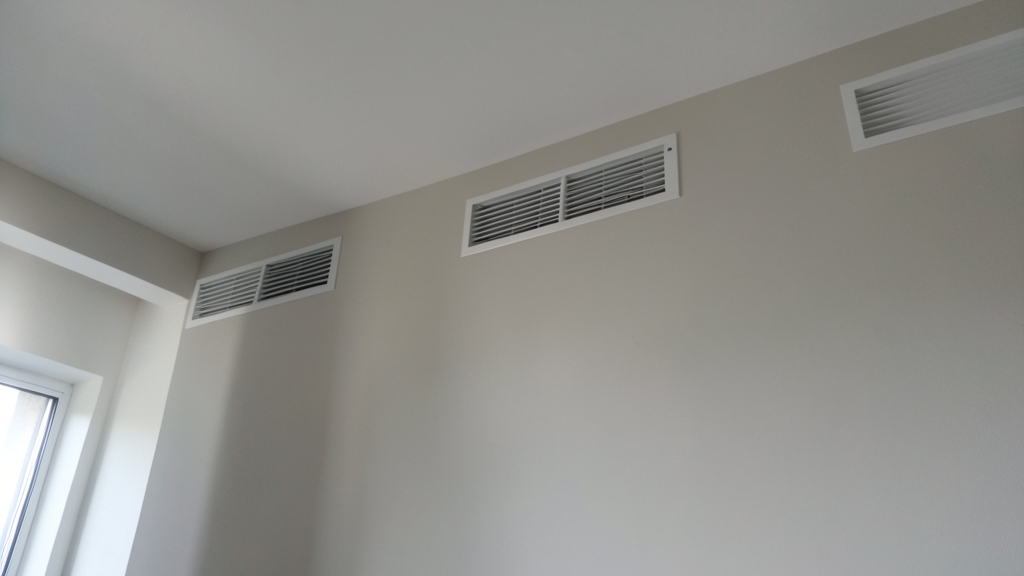
Mold isn’t just an unsightly nuisance—it poses serious health risks, especially for children and the elderly. In Clermont’s humid climate, mold thrives unseen in walls, attics, and crawl spaces, often worsening allergies, asthma, and other respiratory conditions. We’ll break down the dangers and how to protect your most vulnerable loved ones.
Why Are Children and the Elderly More Vulnerable to Mold?
Children’s immune systems are still developing, making them more susceptible to mold-related illnesses. Their smaller lungs also inhale more airborne spores relative to body size, increasing exposure risks.
The elderly often have weakened immune responses or pre-existing conditions like COPD or asthma. Mold spores can trigger severe reactions, including chronic coughing, wheezing, or even lung infections.
Both groups spend significant time indoors—where mold concentrations are often highest. Poor ventilation in homes, schools, or care facilities exacerbates the problem.
Common Health Effects of Mold Exposure
Short-term exposure can cause sneezing, itchy eyes, and skin rashes. These symptoms are often mistaken for seasonal allergies, delaying proper remediation.
Long-term exposure may lead to chronic sinusitis, fatigue, or even neurological issues in severe cases. Mycotoxins produced by certain molds, like Stachybotrys (black mold), are particularly harmful.
Asthma sufferers may experience more frequent and severe attacks. In Clermont’s damp seasons, mold growth accelerates, worsening symptoms for those already at risk.
If anyone in your household experiences difficulty breathing, dizziness, or persistent headaches, evacuate the area and seek medical help. These could signal toxic mold exposure.
Where Mold Hides in Clermont Homes
Florida’s humidity and frequent rain create ideal conditions for mold growth. Basements, crawl spaces, and attics are prime hotspots due to poor airflow and moisture buildup.
Water damage from leaks or flooding—common in areas like Minneola and Groveland—often goes unnoticed until mold colonies spread. Even small drips behind walls or under sinks can fuel growth.
HVAC systems can distribute mold spores throughout a home if not properly maintained. Regular inspections and moisture control are critical, especially in older homes or those with past water damage.
Mold Types and Their Risks to Vulnerable Groups
Not all molds are equally dangerous, but many pose risks. Alternaria, common in damp areas, triggers asthma attacks. Aspergillus can cause lung infections in those with weakened immune systems.
Cladosporium often appears on fabrics or wood and may cause skin and respiratory irritation. Penicillium, found in water-damaged buildings, can lead to chronic sinusitis.
Stachybotrys (black mold) is particularly toxic. It thrives on cellulose-rich materials like drywall and releases mycotoxins that can cause severe neurological and respiratory issues.
| Mold Type | Common Locations | Health Risks |
|---|---|---|
| Alternaria | Bathrooms, kitchens, basements | Asthma attacks, allergic reactions |
| Aspergillus | Damp walls, insulation, HVAC systems | Lung infections, allergic bronchopulmonary aspergillosis |
| Cladosporium | Fabrics, wood, carpets | Skin irritation, respiratory issues |
| Stachybotrys (Black Mold) | Water-damaged drywall, ceiling tiles | Mycotoxin exposure, chronic cough, neurological symptoms |
| Penicillium | Wallpaper, insulation, water-damaged areas | Sinusitis, lung inflammation |
Signs Your Home May Have a Mold Problem
Visible mold growth is the most obvious sign, but mold often hides behind walls or under flooring. Musty odors are a red flag—even if you can’t see the source.
Unexplained health symptoms that improve when away from home may indicate mold exposure. Pay attention to persistent coughs, headaches, or fatigue in family members.
Water stains, peeling paint, or warped walls suggest past or ongoing moisture issues. In Clermont’s climate, these problems can quickly lead to mold if not addressed.
Red Flags for Hidden Mold
- Musty odors in specific rooms or areas
- Visible water stains or discoloration on walls/ceilings
- Peeling or bubbling paint or wallpaper
- Unexplained condensation on windows or walls
- Allergy-like symptoms that worsen indoors
Preventing Mold to Protect Vulnerable Groups
Controlling humidity is the first line of defense. Use dehumidifiers in damp areas and ensure proper ventilation in bathrooms, kitchens, and laundry rooms.
Fix leaks promptly—whether from roofs, pipes, or windows. Even small drips can lead to mold growth within 24-48 hours in Clermont’s warm, humid environment.
Regular mold inspections and air quality testing can catch problems early. This is especially important in homes with children, elderly residents, or anyone with respiratory conditions.
Small, surface-level mold can sometimes be cleaned with proper PPE and EPA-approved solutions. However, extensive growth or mold in HVAC systems requires professional remediation to ensure safety.
When to Call a Mold Remediation Expert
If mold covers an area larger than 10 square feet, professional remediation is necessary. DIY efforts can disturb spores, worsening contamination.
Mold in HVAC systems, crawl spaces, or attics often requires specialized equipment and expertise. These areas are common in Clermont homes and can spread spores rapidly if mishandled.
After water damage—from storms, floods, or leaks—professionals can assess the extent and help prevent mold.
Long-Term Solutions for Mold-Free Living
Moisture control is an ongoing process. In Clermont, seasonal humidity spikes mean homeowners must stay vigilant year-round. Consider installing moisture barriers in crawl spaces or attics.
Regular HVAC maintenance, including duct cleaning and filter replacements, reduces spore circulation. HEPA filters can capture mold spores, improving indoor air quality.
For homes in flood-prone areas like Groveland or Mascotte, waterproofing basements and elevating storage can prevent future water damage. Professional mold prevention plans tailor solutions to your home’s specific risks.
How to Reduce Mold Exposure for Vulnerable Groups
Protecting children and the elderly starts with minimizing their exposure to mold spores.
- 1Identify and Fix Moisture Sources
Inspect your home for leaks, condensation, or water stains. Address these issues immediately to cut off mold’s primary food source: moisture.
- 2Improve Ventilation
Use exhaust fans in bathrooms and kitchens, and open windows when weather permits. Consider a whole-house dehumidifier for persistent humidity.
- 3Clean and Dry Water-Damaged Areas
If you discover small mold patches, clean them with soap and water or a bleach solution (for non-porous surfaces), then dry the area thoroughly. Wear gloves and a mask to avoid inhaling spores.
- 4Use Air Purifiers
Place HEPA air purifiers in bedrooms and common areas to capture airborne mold spores. This is especially helpful for those with allergies or asthma.
- 5Schedule Professional Inspections
Have a mold inspector assess your home annually, especially if you live in a high-risk area or have vulnerable family members. They can detect hidden mold and recommend remediation.
Frequently Asked Questions
Can mold in my Clermont home make my child’s asthma worse?
Yes. Mold spores are a known asthma trigger. Inhaling them can cause inflammation in the airways, leading to more frequent and severe asthma attacks. Reducing indoor mold can significantly improve respiratory health.
How quickly can mold grow after a water leak in my home?
Mold can begin growing within 24 to 48 hours of water exposure. In Clermont’s warm, humid climate, this timeline can be even shorter. Immediate drying and cleanup are critical to prevent growth.
Is black mold more dangerous than other types of mold?
Black mold (Stachybotrys) produces mycotoxins that can cause severe health effects, especially in vulnerable groups. However, all molds can pose risks, and any significant growth should be addressed promptly.
What should I do if I suspect mold in my HVAC system?
Turn off the system immediately to prevent spores from spreading. Do not attempt to clean it yourself—HVAC mold remediation requires professional equipment and expertise to ensure thorough and safe removal.
Are there areas in Clermont more prone to mold issues?
Homes in flood-prone areas like Groveland or near lakes in Minneola may face higher risks due to water exposure. Older homes or those with poor ventilation are also more susceptible, regardless of location.
How can I tell if my symptoms are from mold or allergies?
Mold-related symptoms often worsen indoors and improve when you leave the building. If symptoms persist or include neurological effects (e.g., headaches, dizziness), mold could be the culprit. A mold inspection and air quality test can provide clarity.