Why IICRC S520 Compliance Matters for Office Mold Remediation in Clermont
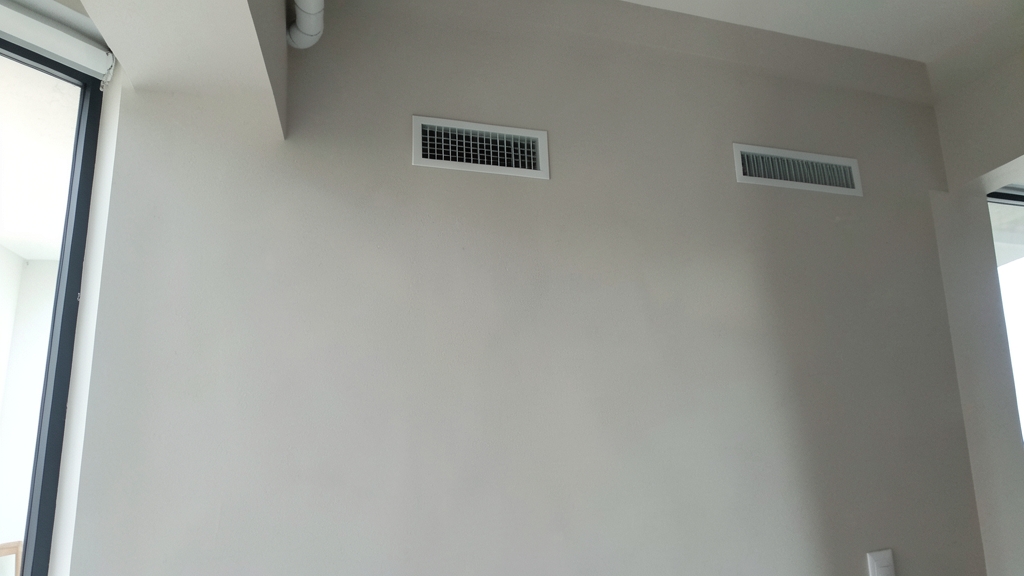
Office mold isn’t just unsightly—it’s a liability. For Clermont businesses, IICRC S520 compliance ensures remediation is safe, thorough, and legally defensible. We follow these standards to protect your staff, property, and reputation.
What Is the IICRC S520 Standard?
The IICRC S520 is the industry’s gold standard for professional mold remediation. It outlines procedures for assessment, containment, removal, and verification—critical for commercial spaces where health and liability risks are high.
Developed by the Institute of Inspection, Cleaning and Restoration Certification, S520 ensures remediation addresses both visible mold and hidden spores. Non-compliance can lead to recurrence, health complaints, or legal exposure.
Why Offices in Clermont Need S520-Compliant Remediation
Florida’s humidity and frequent storms create ideal conditions for mold growth in offices. Without S520 adherence, remediation may miss root causes like HVAC contamination or poor ventilation, leading to rapid regrowth.
Clermont’s older buildings in areas like Minneola or Groveland often have hidden moisture issues. S520’s systematic approach—moisture mapping, air testing, and post-remediation verification—prevents oversight.
Skipping S520 steps can void insurance claims or trigger OSHA violations. Always demand compliance for commercial projects.
Key S520 Requirements for Office Mold Projects
S520 mandates a licensed assessor to document the scope before remediation begins. This includes identifying mold types, moisture sources, and affected materials—critical for offices with sensitive electronics or paperwork.
Containment is non-negotiable. S520 requires physical barriers and negative air pressure to prevent spore migration to clean areas during removal in Winter Garden or Mascotte workplaces.
| Phase | S520 Requirement | Why It Matters |
|---|---|---|
| Assessment | Third-party inspection & moisture mapping | Identifies hidden mold in walls, HVAC, or crawl spaces |
| Containment | Physical barriers + HEPA air scrubbers | Prevents cross-contamination to unaffected offices |
| Removal | HEPA vacuuming + antimicrobial treatment | Ensures spores and hyphae are fully eliminated |
| Verification | Post-remediation air/clearance testing | Confirms mold levels return to normal ranges |
S520 vs. DIY or Non-Compliant Approaches
DIY mold cleanup often uses bleach, which only bleaches surfaces without killing roots. S520 requires EPA-registered biocides and proper dwell time for porous materials like drywall or ceiling tiles.
Non-compliant contractors may skip containment or air filtration. In Clermont’s climate, this risks spore spread via HVAC systems, affecting adjacent suites or floors.
If a bid lacks S520 documentation or clearance testing, walk away. True compliance includes a paper trail.
How S520 Protects Your Business Beyond Remediation
S520-compliant remediation includes a moisture control plan to prevent recurrence. For Clermont offices, this might mean dehumidifiers, vapor barriers, or HVAC upgrades—especially in basements or attics.
Documentation from S520 projects can shield you from tenant lawsuits or worker compensation claims. It proves due diligence in addressing indoor air quality.
Common Office Mold Hotspots in Central Florida
HVAC systems are a top culprit. Mold in ductwork spreads spores rapidly. S520 requires HEPA vacuuming and, if needed, duct replacement—common in older Clermont or Groveland buildings.
Crawl spaces and basements trap moisture. Without proper encapsulation or drainage, mold thrives on wood framing or insulation. S520’s moisture control steps are essential here.
Attics with poor ventilation or roof leaks often harbor mold on plywood or insulation. S520’s assessment phase catches these issues before they compromise indoor air.
Office Areas to Inspect for Mold
- HVAC ducts and coils
- Crawl spaces and basements
- Attics and roof decks
- Behind drywall near plumbing
- Under carpeting or flooring
- Ceiling tiles and drop panels
The Role of Clearance Testing in S520 Compliance
S520 requires post-remediation verification (PRV) to confirm mold levels are safe. This includes air sampling, surface sampling, and visual inspection—critical for offices reopening after remediation.
Clearance testing must be performed by an independent third party, not the remediation contractor. This ensures unbiased results for Clermont businesses.
How to Verify a Contractor’s S520 Compliance
Not all mold remediation companies follow S520—here’s how to confirm they do.
- 1Check Certifications
Ask for IICRC S520 certification and Florida mold remediation licensure. Verify both are current.
- 2Review the Work Plan
A compliant plan includes assessment reports, containment strategies, and PRV testing. Missing any? It’s a red flag.
- 3Insist on Third-Party Testing
The assessor and remediator must be separate entities. This prevents conflicts of interest.
- 4Confirm Documentation
S520 requires pre- and post-remediation photos, moisture maps, and lab results. Demand copies.
- 5Ask About Moisture Control
True compliance includes a plan to prevent recurrence, like dehumidifiers or vapor barriers.
Frequently Asked Questions
Does Florida law require IICRC S520 compliance for office mold remediation?
Florida requires licensed mold remediators, but S520 is a voluntary standard. However, it’s the industry benchmark for safety and liability protection. Most commercial insurance policies expect it.
How long does S520-compliant office mold remediation take in Clermont?
Timelines vary by size and complexity. A small office suite may take 3–5 days; larger buildings or those with HVAC contamination can take 1–2 weeks. Moisture drying time often adds days.
Can mold return after S520-compliant remediation?
Yes, if the root moisture issue isn’t fixed. S520 includes a moisture control plan, but building owners must maintain it—e.g., fixing leaks, running dehumidifiers in crawl spaces, or monitoring humidity in attics.
Is clearance testing included in S520 remediation costs?
Clearance testing is a separate service, typically performed by an independent assessor. While not always bundled, it’s a non-negotiable part of S520 compliance. Request a quote to understand all components.
Do you serve offices in Minneola or Winter Garden too?
Yes, our team handles commercial mold remediation across Clermont, Minneola, Winter Garden, Groveland, and Mascotte. S520 standards apply uniformly, regardless of location.
What’s the difference between mold removal and mold remediation?
Removal is just taking out visible mold. Remediation—per S520—addresses the cause, contains spores, and restores air quality. It’s a holistic process, not a quick fix.