How Long Does a Mold Inspection Take in Clermont? Breaking Down the Timeline
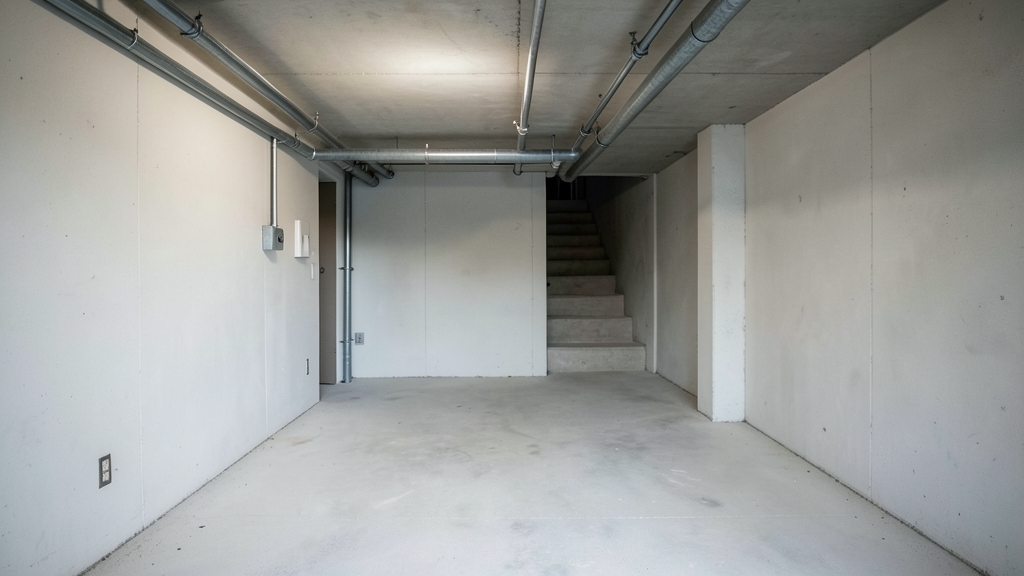
A professional mold inspection isn’t a one-size-fits-all process. The timeline depends on your property’s size, complexity, and the scope of testing required. In Central Florida’s humid climate, even subtle signs of moisture can hide mold growth, so thoroughness matters more than speed.
Why a Mold Inspection Takes Time in Humid Climates
Florida’s warm, humid air accelerates mold growth, especially in hidden areas like attics, crawl spaces, and behind drywall. A rushed inspection misses these hotspots.
Our team uses moisture meters, thermal imaging, and air sampling to detect what the naked eye can’t. This tech adds time but ensures accuracy.
Typical Mold Inspection Timeline: What to Expect
For an average single-family home in Clermont or nearby Minneola, a full mold inspection usually takes 1.5 to 3 hours. Larger homes or commercial properties may require 4+ hours.
The process includes a visual assessment, moisture mapping, air quality testing, and surface sampling if needed. Each step builds on the last.
Step-by-Step: What Happens During the Inspection?
We start with a detailed walkthrough, noting visible mold, water stains, or musty odors. These clues guide deeper testing.
Next, we use thermal imaging to spot temperature differences that indicate hidden moisture—common in Winter Garden and Groveland homes with older insulation.
Factors That Can Extend Your Mold Inspection Time
Complex layouts, like multi-story homes or properties with finished basements, require more time. Crawl spaces and attics in Mascotte often add 30-60 minutes due to access challenges.
Extensive water damage or previous DIY remediation attempts may also prolong the process. We document everything for your remediation plan.
| Factor | Time Impact | Why It Matters |
|---|---|---|
| Property size | 30-60+ min | Larger homes require more surface area coverage |
| Hidden mold (attics/crawl spaces) | +1 hour | Access and testing in confined spaces slows progress |
| Water damage history | +30-45 min | Additional moisture mapping and sampling needed |
| Commercial properties | 2-4+ hours | Complex HVAC systems and larger square footage |
Mold Testing: Air vs. Surface Sampling
Air quality testing captures spore counts in the air, while surface sampling identifies mold on materials like drywall or wood. Both are critical in Clermont’s climate.
Lab analysis for these samples typically takes 24-48 hours. We’ll explain which tests are necessary based on your property’s conditions.
While the inspection itself is quick, lab results for mold testing usually arrive within 1-2 business days. Rush options may be available.
Signs You Need a Mold Inspection (Beyond the Obvious)
Visible mold is a clear sign, but so are persistent musty odors, unexplained allergies, or peeling paint. These often point to hidden growth in walls or under flooring.
After water damage—common in Groveland after heavy storms—an inspection within 24-48 hours can prevent a full-blown infestation.
Red Flags for Mold in Your Home
- Unexplained musty smells, especially in basements or attics
- Water stains on ceilings or walls
- Increased allergy or asthma symptoms indoors
- Peeling paint or bubbling wallpaper
- Recent flooding or plumbing leaks
How to Prepare for a Mold Inspection
Clear clutter from areas we’ll inspect, especially near walls, under sinks, and in storage spaces. This helps us access potential problem zones quickly.
Turn off HVAC systems 1-2 hours before testing to avoid dispersing spores. We’ll handle the rest, from setting up equipment to collecting samples.
Provide any history of water damage or past mold issues upfront. This helps us focus on high-risk areas and streamline the process.
What Happens After the Inspection?
You’ll receive a detailed report outlining findings, including moisture levels, mold types (if present), and spore counts. We’ll also provide a remediation plan if needed.
For properties in Clermont or surrounding areas like Winter Garden, we often pair inspections with air quality testing to ensure indoor environments meet safety standards.
How to Check for Mold Before the Pros Arrive
While DIY checks aren’t a substitute for professional testing, you can look for early warning signs.
- 1Inspect Common Hotspots
Check under sinks, around windows, and in basements or crawl spaces for visible mold or water stains. Pay extra attention to areas with poor ventilation.
- 2Use Your Nose
Musty odors often indicate hidden mold. Sniff around corners, behind furniture, and near HVAC vents—common in humid Florida homes.
- 3Look for Water Damage
Discoloration, warping, or bubbling on walls and ceilings can signal past or ongoing moisture issues, which mold loves.
- 4Monitor Humidity Levels
Use a hygrometer to check indoor humidity. Consistently high levels (above 60%) create ideal conditions for mold growth.
- 5Check Hidden Areas
Pull back carpet edges, inspect behind appliances, and open attic hatches. Mold often thrives in these out-of-sight spaces.
Frequently Asked Questions
Can I stay in my Clermont home during a mold inspection?
Yes, you can remain on-site. Our team will need access to all areas of the home, including attics and crawl spaces, but we’ll work around your schedule. Pets should be secured for safety.
How soon can I get a mold inspection in Clermont?
We typically schedule inspections within 1-2 business days. For urgent cases, like after water damage, we prioritize quick or next-day service where possible.
Does a mold inspection always include testing?
Not always. Testing is recommended if mold is suspected but not visible, or if you need documentation for insurance or real estate transactions. We’ll advise you based on your situation.
What’s the difference between mold inspection and mold remediation?
An inspection identifies the presence, type, and extent of mold. Remediation is the process of safely removing and preventing its return. We offer both services, often starting with an inspection to inform the remediation plan.
Do I need a mold inspection after water damage in my Winter Garden home?
Absolutely. Even if you’ve dried the area, moisture can linger in walls or subflooring, leading to mold growth within 24-48 hours. An inspection ensures no hidden issues remain.
How accurate are mold inspection results?
With professional equipment and lab-backed testing, results are highly accurate. However, mold can hide in inaccessible areas, so we combine visual, moisture, and air sampling for the clearest picture.