How Flooding Triggers Mold Growth in Clermont Homes and What to Do Next
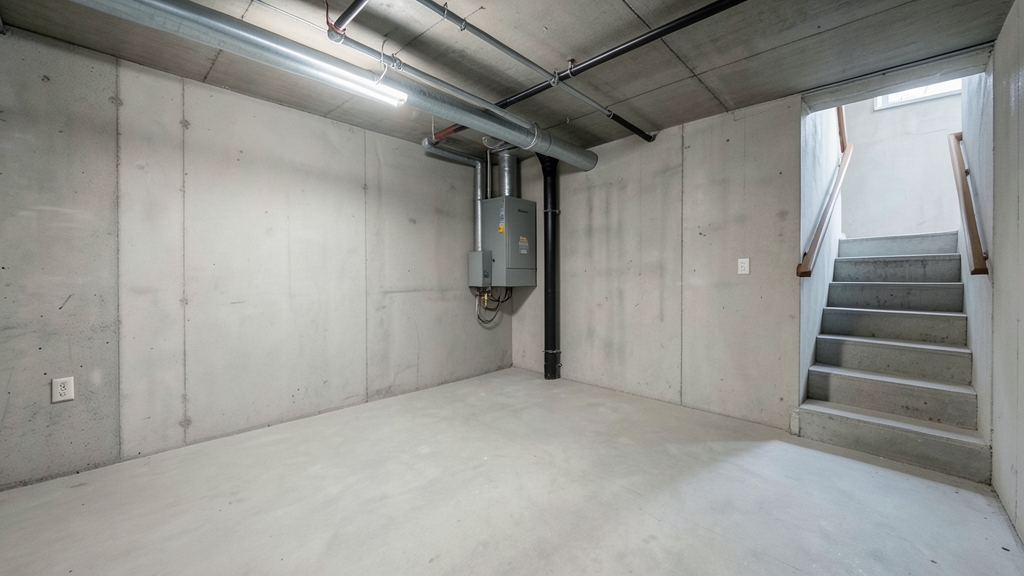
Flooding doesn’t just leave water behind—it creates the perfect storm for mold. In our Central Florida climate, warm, humid conditions accelerate growth within 24 to 48 hours, often hidden behind walls or under flooring. We’ve seen firsthand how quickly a minor flood can spiral into a full-blown infestation if moisture isn’t addressed immediately.
Why Floodwater Fuels Rapid Mold Growth
Mold spores are everywhere, but they stay dormant without moisture. Floodwater introduces an abundance of both water and organic nutrients—drywall, wood, and insulation act like a buffet for spores.
Porous materials like carpet, gypsum board, and ceiling tiles absorb water deeply, providing a sustained food source. Even after surfaces appear dry, trapped moisture keeps the cycle going.
Our region’s high humidity means evaporated water lingers in the air, slowing drying times and giving mold a head start. That’s why professional dehumidification is non-negotiable after flooding.
Hidden Hotspots: Where Mold Thrives After a Flood
Basements and crawl spaces are ground zero. Standing water pools here first, and poor airflow traps humidity. We often find heavy growth on joists and subflooring in Minneola and Groveland homes after storms.
Attics are surprisingly vulnerable. Roof leaks or overflowing gutters can saturate insulation, while poor ventilation traps moisture. Attic mold remediation is a specialty—don’t assume it’s just a “top-floor” issue.
Wall cavities and behind baseboards are prime real estate for mold. Water wicks upward through drywall, and without thermal imaging or moisture meters, you might never know it’s there until it’s severe.
| Area | Why It’s High-Risk | Typical Mold Types |
|---|---|---|
| Crawl spaces | Poor airflow, direct water exposure | Aspergillus, Penicillium |
| Drywall (lower 24") | Absorbs water quickly, slow to dry | Stachybotrys (black mold), Chaetomium |
| Carpet/padding | Traps moisture against subfloor | Cladosporium, Alternaria |
| HVAC ducts | Spreads spores throughout home | Acremonium, Fusarium |
| Attic insulation | Holds moisture, often overlooked | Serpula (wood rot), Ulocladium |
The Health Risks You Can’t Ignore
Mold doesn’t just damage property—it can trigger allergies, asthma attacks, and respiratory infections. Mycotoxins from species like Stachybotrys are particularly concerning for immune-compromised individuals.
Symptoms often mimic colds or flu: coughing, sore throat, or itchy eyes. But if they persist or worsen indoors, mold could be the culprit. Air quality testing removes the guesswork.
Pets are often the first to show signs. Unexplained skin irritation or respiratory distress in animals warrants immediate inspection.
Mold can begin growing within 24 hours of water exposure. If flooding occurred, assume contamination is present until proven otherwise. Delaying remediation exponentially increases costs and health risks.
Flooding vs. Leaks: How Mold Growth Differs
Flooding introduces contaminated water (Category 2 or 3), which carries bacteria and sewage. This accelerates mold growth and requires more aggressive remediation protocols under IICRC S520 standards.
Slow leaks, common in older Winter Garden or Mascotte homes, cause chronic moisture issues. The damage is often more localized but can go undetected for months, leading to deep-rooted colonies.
Both scenarios demand professional assessment. But flooding almost always requires full-scale water damage restoration before mold remediation can even begin.
Our Step-by-Step Flood Mold Remediation Process
We start with a thorough mold inspection and moisture mapping. Thermal imaging and hygrometers identify hidden pockets of water you can’t see or feel.
Containment is critical. We use negative air pressure and physical barriers to prevent spores from spreading to clean areas during removal.
Porous materials like drywall and insulation are typically removed and replaced. Non-porous surfaces get HEPA vacuuming and antimicrobial treatments to kill residual spores.
What Homeowners Often Overlook After a Flood
DIY fans and dehumidifiers aren’t enough. Without industrial-grade equipment, moisture lingers in structural cavities. We’ve pulled up flooring in Clermont homes to find standing water weeks later.
Furniture and belongings can harbor mold too. Upholstered items, books, and cardboard boxes often need professional cleaning or disposal.
Outdoor debris—like wet leaves or mulch—pressed against your home’s exterior can wick moisture inside. Clear a 12-inch perimeter and ensure grading slopes away from the foundation.
Post-Flood Mold Prevention Checklist
- Run dehumidifiers continuously until moisture levels drop below 50%
- Remove and discard water-damaged carpet, padding, and drywall within 48 hours
- Inspect and clean HVAC systems before turning them back on
- Use moisture-resistant materials (e.g., cement board, closed-cell foam) in repairs
- Schedule a professional mold inspection if water sat for more than 24 hours
When to Call a Professional (Spoiler: Immediately)
If flooding affected more than 10 square feet, or if water was contaminated (e.g., sewage backup), DIY remediation isn’t safe or effective. Commercial properties or multi-unit buildings always require expert intervention.
Visible mold, musty odors, or recurring water stains are red flags. But the absence of these doesn’t mean you’re in the clear—hidden growth is common.
Insurance may cover remediation, but documentation is key. We provide detailed reports with photos, moisture readings, and lab results to support your claim.
Costs vary based on square footage, materials affected, and mold type. Request a quote—we’ll outline the scope, timeline, and factors driving the investment, with no pressure.
Long-Term Mold Prevention for Clermont’s Climate
Florida’s wet season (May–October) brings heavy rains and humidity. Regularly inspect roofs, gutters, and downspouts to ensure proper drainage away from your home’s foundation.
Crawl space encapsulation with a vapor barrier is a game-changer for homes in Groveland or Minneola. It blocks ground moisture from seeping in and reduces humidity levels dramatically.
Consider a whole-home dehumidifier if your property is prone to dampness. Maintain indoor humidity between 30–50% to starve mold before it starts.
How to Safely Inspect for Mold After Flooding
Before touching anything, prioritize safety—mold and contaminated water can pose serious health risks.
- 1Wear Protective Gear
Use an N95 respirator, gloves, and eye protection. If water was sewage-contaminated, opt for a full-face respirator with organic vapor cartridges.
- 2Turn Off HVAC Systems
Running your system can spread spores throughout the home. Shut it down until a professional clears it for use.
- 3Document the Damage
Take photos and videos of water lines, damaged materials, and any visible mold. This aids insurance claims and remediation planning.
- 4Use a Moisture Meter
Check walls, floors, and ceilings for elevated moisture (above 15–20%). High readings indicate hidden water—even if surfaces feel dry.
- 5Look for Hidden Signs
Peel back carpet, check behind baseboards, and inspect under sinks. Discoloration, warping, or a musty odor all signal potential mold.
- 6Avoid Disturbing Mold
Never scrape or bleach mold yourself. Disturbing it releases spores into the air. Contain the area and call a professional.
Frequently Asked Questions
How quickly can mold grow after flooding in a Clermont home?
Mold can begin colonizing within 24 to 48 hours of water exposure, especially in our warm, humid climate. Porous materials like drywall and carpet accelerate this timeline. Immediate water extraction and drying are critical to prevent growth.
Is black mold more common after flooding?
Yes. Stachybotrys (black mold) thrives in chronically wet, cellulose-rich environments—exactly what flooding creates. However, many mold types can appear black, so lab testing is the only way to confirm the species and toxicity.
Can I save water-damaged furniture after a flood?
It depends on the material and contamination level. Solid wood or metal furniture can often be cleaned and restored, but upholstered items, particleboard, or laminated surfaces usually need disposal if exposed to Category 2 or 3 water.
Does homeowners insurance cover mold remediation after flooding?
Policies vary. Standard homeowners insurance often covers mold if it results from a covered peril (e.g., a burst pipe), but flood damage typically requires separate flood insurance. We provide detailed documentation to support your claim.
What’s the difference between mold removal and mold remediation?
Mold removal is a DIY myth—it’s impossible to eliminate all spores. Remediation, performed by professionals, focuses on containing, killing, and preventing regrowth while addressing the root moisture issue. This follows IICRC S520 industry standards.
Are there local Clermont resources for flood recovery?
Lake County offers flood preparedness guides, and the Florida Department of Health provides mold cleanup resources. For remediation, always choose a local company familiar with Central Florida’s unique challenges.