Common Mold Hotspots in Clermont Homes and How Inspectors Find Them
Mold thrives where moisture lingers, and in our Florida climate, that’s almost everywhere if you’re not careful. We’ve seen it in attics after a hot, humid summer, behind drywall in Winter Garden homes after a slow leak, and even in Groveland crawl spaces where poor ventilation traps damp air.
Why Clermont’s Climate Creates Perfect Conditions for Mold
Central Florida’s warmth and humidity give mold spores a year-round invitation. Even a small water intrusion can spiral into a major issue if not addressed quickly.
Homes in Minneola and Mascotte often face higher risk due to older construction or proximity to water bodies, which elevate ambient moisture levels.
Top 5 Mold Hotspots in Local Homes
Attics are prime targets, especially with poor ventilation or roof leaks. Trapped heat and moisture from Lake County’s summer storms accelerate growth on wood and insulation.
Crawl spaces in Groveland and Clermont often lack vapor barriers, letting ground moisture seep in. Without proper airflow, mold colonizes joists and subflooring.
Bathrooms with exhausted fans or no ventilation trap steam. We frequently find mold behind tile, under sinks, or in ceiling drywall near Winter Garden homes.
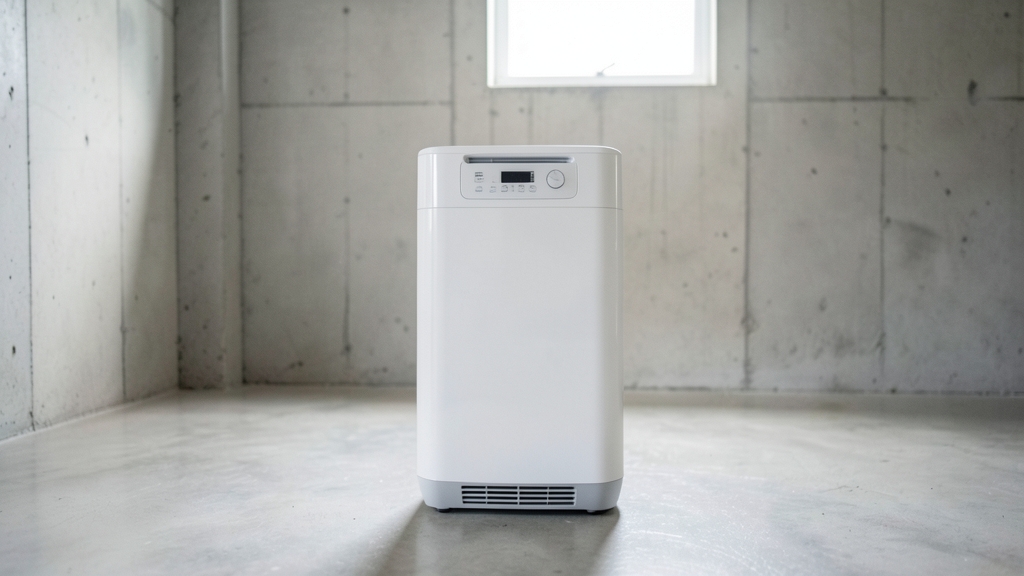
Basements, though less common here, can harbor mold if water seeps through foundation cracks. Even slab homes aren’t immune—moisture can wick up through concrete.
HVAC systems circulate spores if ductwork or coils stay damp. Regular inspections catch this before it spreads mold throughout the house.
Attic Mold: The Silent Spread in Clermont Roofs
Improperly vented attics trap heat and moisture, creating a petri dish for mold. Dark stains on rafters or a musty smell in the upper floors are red flags.
Often, the issue starts with a minor roof leak or condensation from temperature swings. By the time homeowners notice, mold may have compromised insulation and structural wood.
If you see discoloration on attic sheathing or feel damp insulation, act fast. Mold here can weaken your roof’s integrity and spread spores via your HVAC system.
Crawl Spaces: The Hidden Mold Factories
Many Clermont-area homes have crawl spaces with dirt floors and no moisture barrier. Groundwater evaporation alone can push humidity above 70%, fueling mold on wood framing.
Standing water from poor drainage or plumbing leaks makes it worse. We’ve pulled up flooring in Minneola homes to find entire subfloors coated in black mold.
| Risk Factor | Impact Level | Solution |
|---|---|---|
| No vapor barrier | High | Install 10-mil polyethylene sheeting |
| Poor drainage | Critical | Grade soil away from home; add French drain |
| Lack of ventilation | Moderate | Install vents or a dehumidifier |
| Plumbing leaks | High | Repair leaks; dry area thoroughly |
| Wood-to-soil contact | High | Use pressure-treated wood or concrete piers |
How Professional Inspectors Track Down Mold
We start with a visual assessment, but mold often hides behind walls or under flooring. Thermal imaging cameras reveal temperature differences that hint at moisture.
Air quality testing captures spore counts, comparing indoor levels to outdoor baselines. High indoor counts confirm a problem even if mold isn’t visible.
For tight spaces like wall cavities or ductwork, borescopes let us inspect without destructive demolition. Moisture meters pinpoint the exact source of dampness.
Home test kits can confirm mold, but they won’t locate hidden growth or identify the moisture source. Professional tools and expertise fill those gaps.
Mold vs. Mildew: Know the Difference
Mildew is surface-level, powdery, and usually white or gray. It’s easier to clean but still signals excess moisture. Mold, however, penetrates materials and can appear fuzzy, slimy, or in shades of green, black, or red.
Both thrive in damp environments, but mold poses greater health risks and structural concerns. If you’re unsure, a professional mold inspection in Clermont can clarify.
Preventing Mold Before It Starts
Control humidity with dehumidifiers, especially in basements or crawl spaces. Aim to keep indoor levels below 50% to starve spores.
Fix leaks promptly—whether from roofs, pipes, or windows. Even a slow drip can sustain mold growth over time.
Ensure proper ventilation in bathrooms, kitchens, and attics. Exhaust fans should vent outside, not into attics or crawl spaces.
Mold Prevention Essentials
- Use moisture-resistant drywall in bathrooms and basements
- Clean and dry water-damaged areas within 24-48 hours
- Inspect HVAC drip pans and drain lines regularly
- Grade soil away from your home’s foundation
- Schedule annual mold inspections for peace of mind
How to Inspect Your Home for Hidden Mold
Catching mold early saves time, money, and stress.
- 1Check for Musty Odors
Mold often has a distinct, earthy smell. If you notice it in a specific area, investigate further—even if you don’t see growth.
- 2Look for Water Stains
Discoloration on ceilings, walls, or floors often indicates past or current moisture issues. Trace stains to their source.
- 3Inspect High-Risk Areas
Focus on attics, basements, crawl spaces, and around windows. Pay special attention to areas near plumbing or HVAC systems.
- 4Use a Moisture Meter
These inexpensive tools measure moisture levels in materials. Readings above 15-20% in wood or drywall suggest a problem.
- 5Monitor Humidity Levels
A hygrometer helps track indoor humidity. Consistently high levels (above 60%) require action to prevent mold growth.
Frequently Asked Questions
How common is mold in Clermont homes?
Extremely common due to our humid subtropical climate. Most homes will experience some mold growth at some point, especially in poorly ventilated or water-damaged areas. Regular inspections help catch issues early.
Can I remove mold myself?
Small, surface-level mold (under 10 square feet) can often be cleaned with proper PPE and EPA-approved solutions. However, larger infestations or mold in HVAC systems, crawl spaces, or attics typically require professional mold remediation to ensure safe, thorough removal.
What are the health risks of mold exposure?
Mold can trigger allergies, asthma attacks, and respiratory issues, especially in sensitive individuals. Some types, like Stachybotrys (black mold), may produce mycotoxins linked to more severe health effects. Symptoms often include coughing, sneezing, or skin irritation.
How long does mold remediation take in Clermont?
Timelines vary based on the extent of the infestation and the affected areas. A small bathroom mold job might take a day, while a full attic or crawl space remediation could span several days. Drying time and clearance testing add to the process.
Does homeowners insurance cover mold damage?
It depends on your policy and the cause. Most standard policies cover mold damage resulting from a covered peril, like a burst pipe. However, they often exclude mold caused by long-term neglect or high humidity. Review your policy and document any water damage promptly.
Why do homes in Minneola or Groveland seem to have more mold issues?
Older homes in these areas may lack modern moisture barriers or ventilation. Proximity to lakes and wetlands also increases ambient humidity. Additionally, some neighborhoods have soil types that retain more moisture, elevating crawl space and basement risks.